
Meet CoDeCo Council Member Jess Klay
August 18, 2026
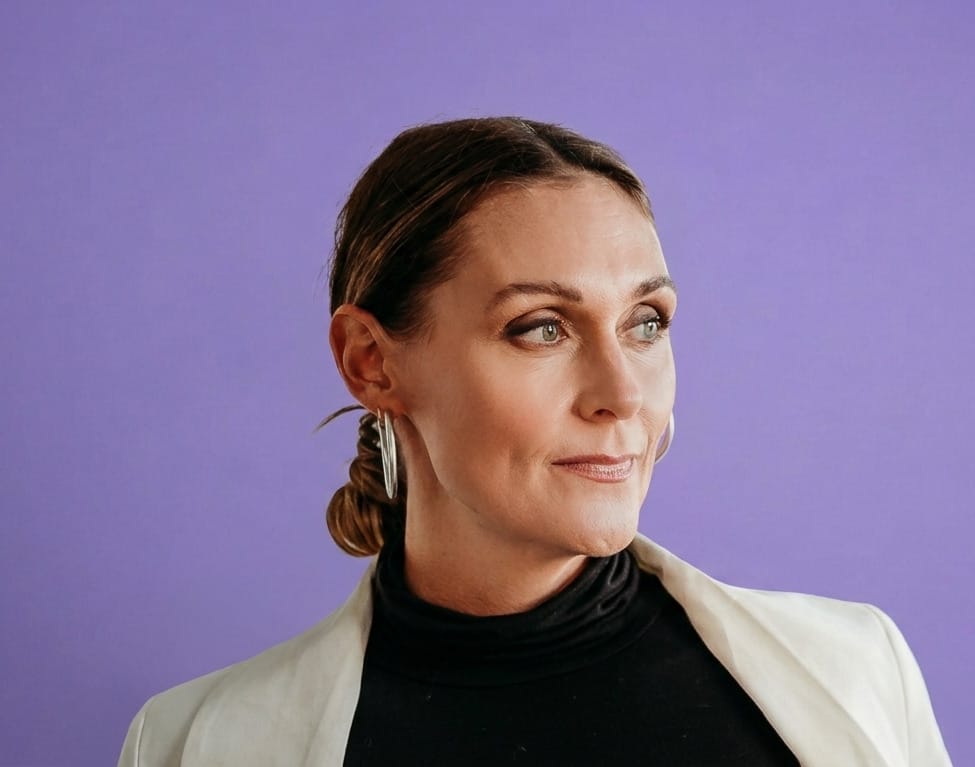
Jess Klay is a workplace strategist, designer, and creative director with more than 20 years of experience shaping environments where people and organizations can thrive.
Connect with Jess
What is your CoDesign Collaborative origin story?
My involvement began in August 2017, when I joined a Think Tank roundtable with leaders from some of Boston’s top architecture and design firms. The conversation explored how workplace design can actively shape organizational culture, a subject that connected deeply with my own work and curiosity. I was hooked. What began as one compelling discussion grew into a lasting relationship with a community that values design as a powerful tool for creating meaningful change. Today, I am proud to serve on CoDesign Collaborative’s Advisory Council, helping advance conversations at the intersection of workplace, culture, human experience, and design.
What inspires your design and creative practice?
I’m inspired by the belief that design can shape how people feel, connect, and belong. My work begins with curiosity: observing how people move through a space, listening for what is missing, and finding the connections between environment, culture, brand, and human experience. I’m especially drawn to complex challenges where design can create meaningful change within real-world constraints.
My personal story deeply shapes my practice. As a working mother, creative leader, caregiver, and someone who has continually adapted through change, I understand that people experience the same environment very differently. This has strengthened my commitment to inclusive, sensory-rich spaces that support dignity, wellbeing, and connection.
What is one project, principle, or idea that you’re excited about?
I’m excited about exploring how neuroaesthetics can help us design environments that actively support the brain. This has powerful implications for workplaces, where neuroinclusive design can improve focus, reduce stress, and create a greater sense of belonging. It is equally important in assisted and senior living, where color, light, sound, texture, nature, and spatial cues can support cognitive health, dignity, connection, and independence. I see an opportunity to bring these areas together and create spaces that respond to people across different ages, abilities, and ways of experiencing the world. The future of design is not simply about how a space looks. It is about understanding how it makes people feel and how it can help them live, work, and age more fully.
Through her published Red Thread Report, Jess shares how helping her aunt find an assisted living community changed the way she thinks about design and why the future of senior living is shifting beyond safety toward belonging.
What is one trend you would like to see disappear forever?
I would like to see one-size-fits-all design disappear forever, especially the idea that a beautiful space automatically works for everyone. Too many environments are designed for a fictional “average” person, overlooking differences in age, ability, cognition, culture, and sensory needs. I want the future of design to be more neuroinclusive, adaptable, and grounded in how people genuinely experience a space. Good design should do more than photograph well. It should help people feel comfortable, capable, connected, and supported.
Become a member and participate in online events, local meetups in Boston and Portland, and receive Unfold magazine to your doorstep.
codesigncollaborative.org/support
888-287-0167