
Meet Design Impact Society Member Janet Roche
October 28, 2026
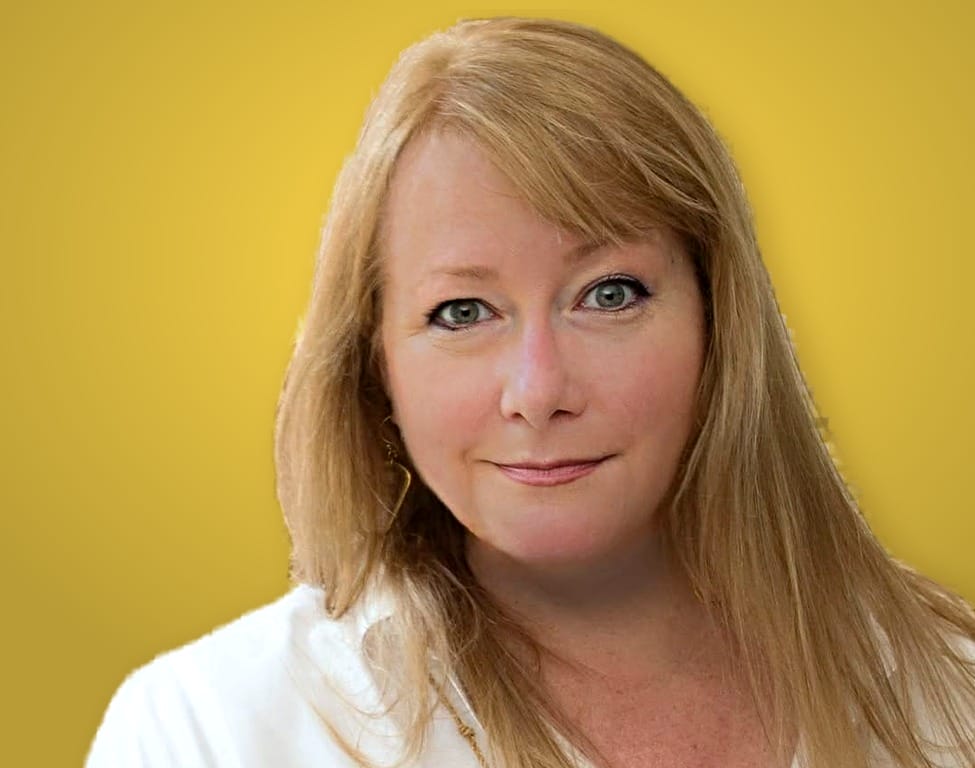
Janet Roche, MDS, CAPS, is a nationally recognized design practitioner, educator, and advocate whose work centers on the intersection of health, design, and social equity. With over a decade of experience in Trauma-Informed Design (TiD), she is the founder of Janet Roche Designs and CEO and co-founder of the Trauma-Informed Design Society.
How did you get involved with CoDesign Collaborative? What inspired you to join this community?
I came for the free lunch but stayed because of the people and their mission. My interest only grew when they pulled me into their Bespoke Bodies campaign — it was so well done, and it was wonderful to see such a well-deserved spotlight on incredible work. And of course, the brilliant book Bespoke Bodies: The Design and Craft of Prosthetics, by Amanda Hawkins and Sam Aquillano, that CoDeCo (formerly Design Museum) published, was inspiring for an inclusive designer like myself.
What inspires your work in design, creative practice, and community collaboration?
I’m really drawn to organizations and opportunities that are mission-driven—where people are simply trying to make things better for all humans, especially within the built environment.
How do you see the future of design in shaping community?
I think the future of design is moving toward approaches that put people—real human experience—at the center. Trauma-informed design is a great example: instead of designing spaces and asking people to adapt to them, we’re starting with the question of how environments actually affect the nervous system, sense of safety, and well-being of the people who use them. I think we’ll see that same human-centered lens applied more broadly—to biophilic design, accessibility, and inclusive design—as more designers recognize that the built environment isn’t neutral. It shapes how people feel, heal, and belong in community. My hope is that this becomes less of a specialty and more of a baseline expectation across the field.
What do you love about your city?
I love Boston! Are there things I’d like to change about it? Sure. As an inclusive designer, I notice accessibility gaps that maybe others don’t: uneven or narrow sidewalks, older buildings without proper ramps or elevators, crosswalks that don’t give people enough time to cross safely. Boston is a historic city, and I understand the tension between preserving that character and retrofitting it for accessibility; but I’d love to see more urgency and creativity applied to solving that tension, because true inclusion means everyone can move through and enjoy the city, not just some of us. The good news is the city is working on it, and I’m hopeful about that direction.
This past summer (2026) was a great time to be in the city. There was the World Cup, the 250th 4th of July celebrations that included the Tall Ships, and most recently, The Migration of the Elephants, a public art installation on the Commonwealth Avenue Mall showcasing artisan, bespoke elephants of all shapes and sizes. I saw so many people gathered there of all ages, all backgrounds just thrilled to see them! A couple of times I heard people scream, “There they ARE!” and run toward the display. It was such a simple, joyful reminder of what public space can do when it’s designed to bring people together. It clearly brought a lot of joy to the community, and to me too.
What have you learned from failing?
If you don’t fail, you haven’t really learned a thing. Failure is where the real information lives; it tells you what doesn’t work, what you didn’t account for, and where your assumptions were wrong. In design, that’s especially true: you can’t get to a good solution without testing ideas that don’t hold up. I’ve learned to see failure less as a setback and more as part of the process; each misstep gets you closer to the right answer, as long as you’re paying attention to what it’s teaching you.
What is a trend you would like to see disappear forever?
I wish people would get off their phones more, especially when they’re out in the city. At the very least, don’t walk around with your head buried in your phone. Look up, notice your surroundings, notice the people around you. So much of what makes a city special is the small stuff you only catch when you’re actually present in a space — a piece of public art, a conversation, someone needing help crossing the street. When everyone’s heads-down, we lose a little bit of that shared experience of being in community together.
Do any other art forms or creative outlets inspire your work?
Looking at architecture and art can be incredibly inspiring. It might be a lighting choice, a color palette, or even sound. I can find inspiration almost anywhere. But I also pay attention to the things that don’t work for me, the spaces or details I can’t stand, and I ask myself how design could make that better for everyone. Sometimes the best ideas come as much from what’s missing or uncomfortable in a space as they do from what’s beautiful.