
Field Report
From Ancient Stone to Speculative Futures — Designing for Gravity, Time, and Circularity
October 13, 2026
The MIT Met Warehouse | Cambridge, MA
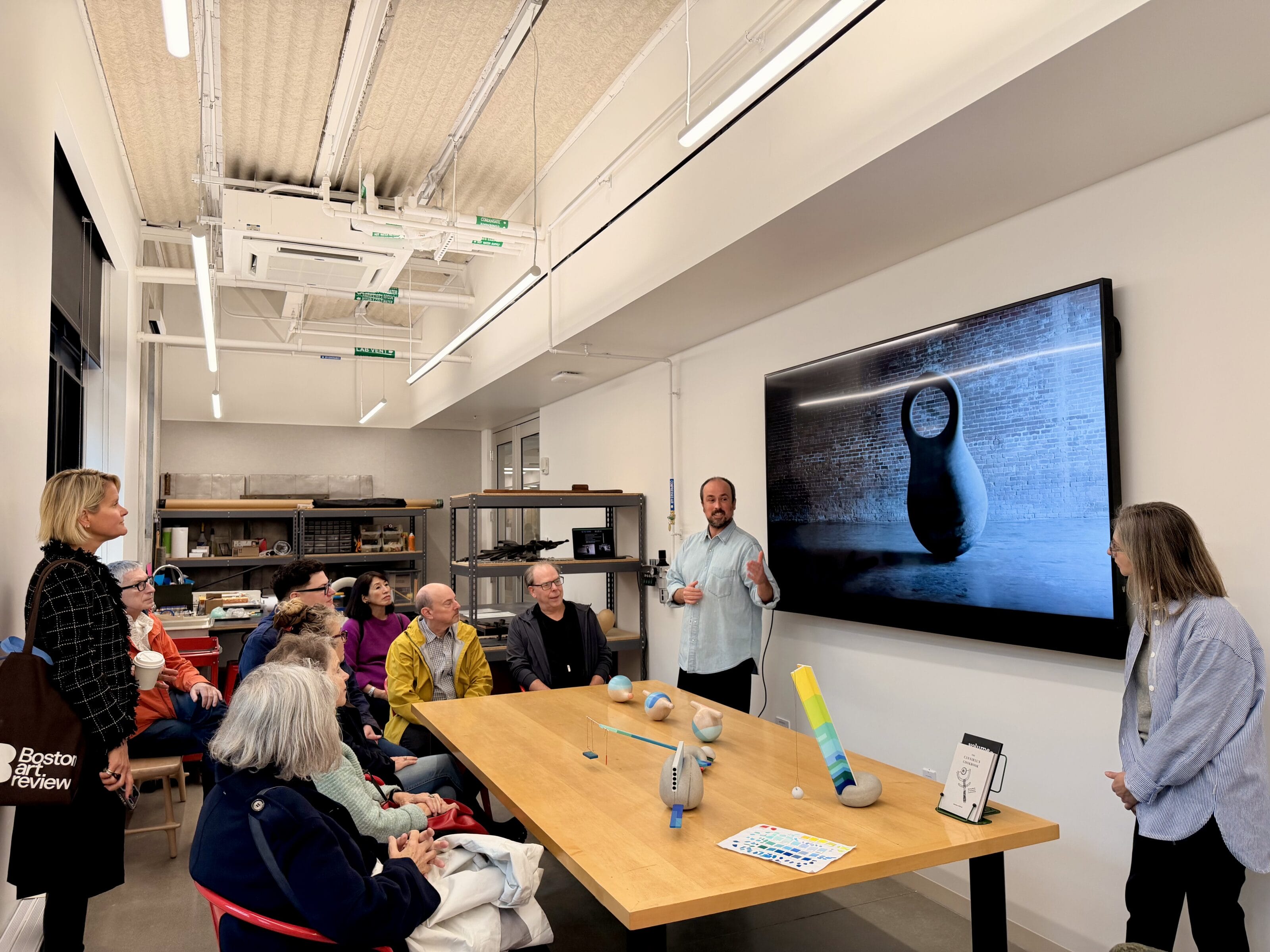
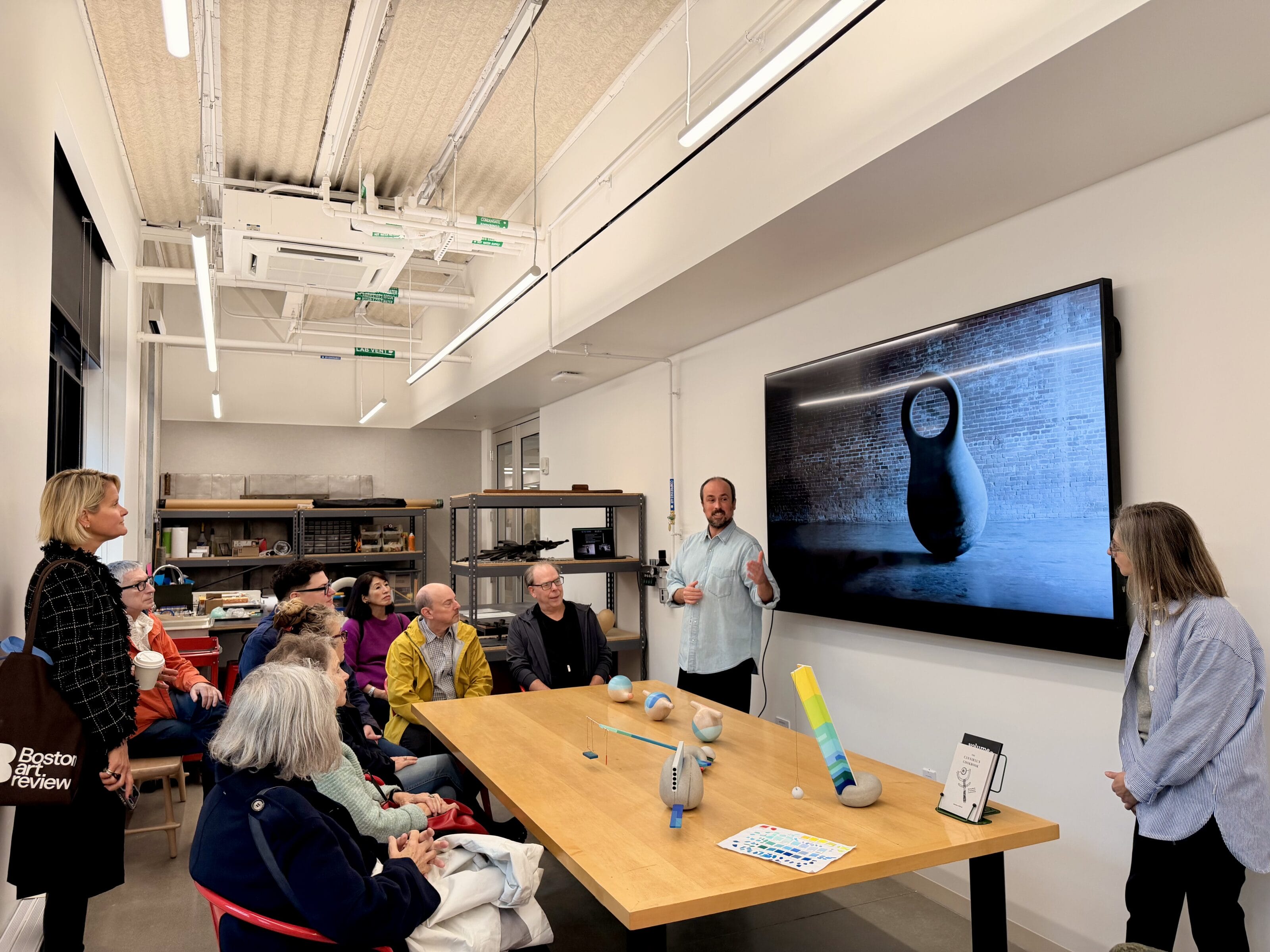
For participants on a recent CoDesign Collaborative Field Trip to the Matter Design studio at The MIT Met Warehouse in Cambridge, time stood still.
Time As A Grammar
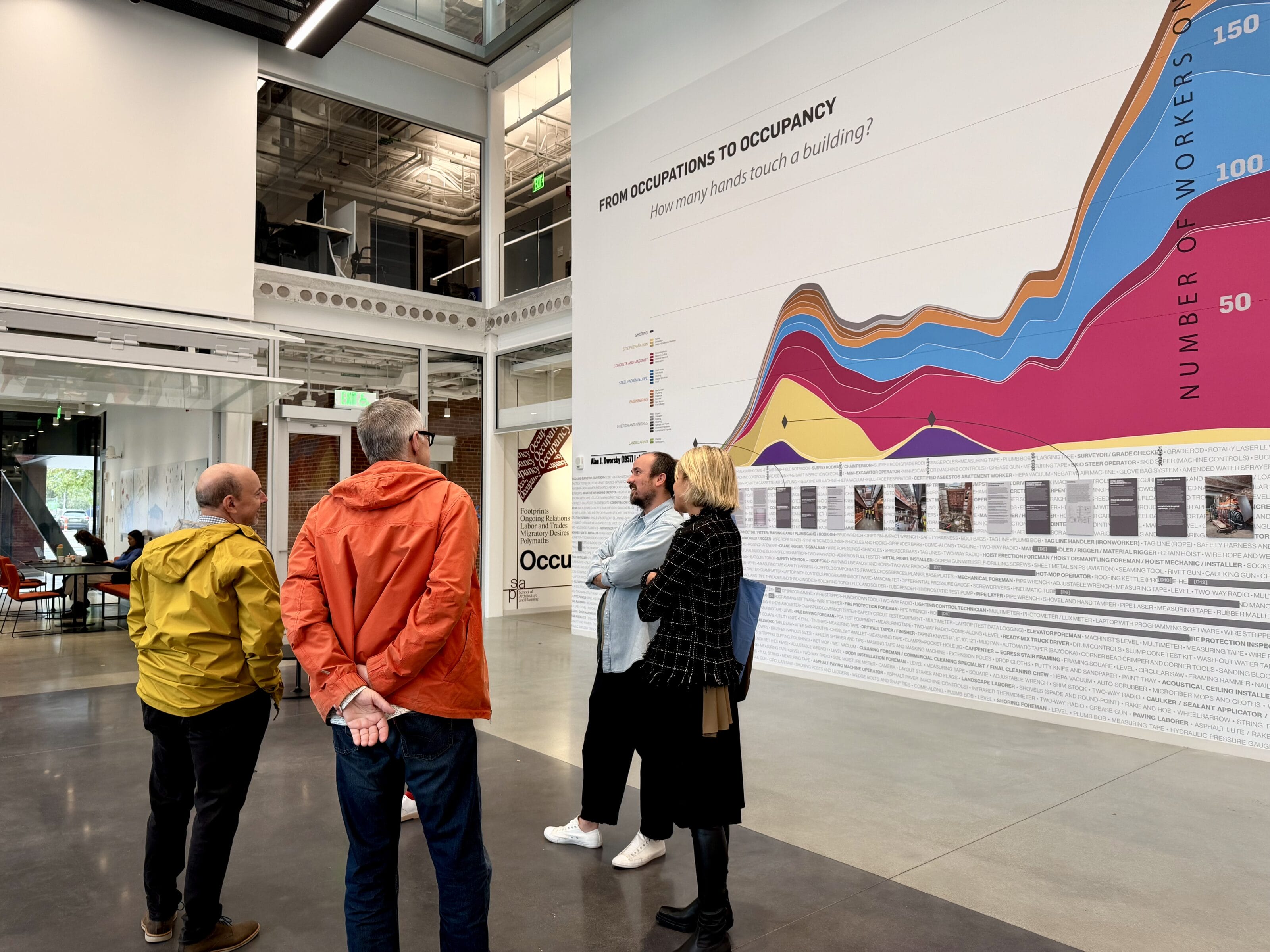
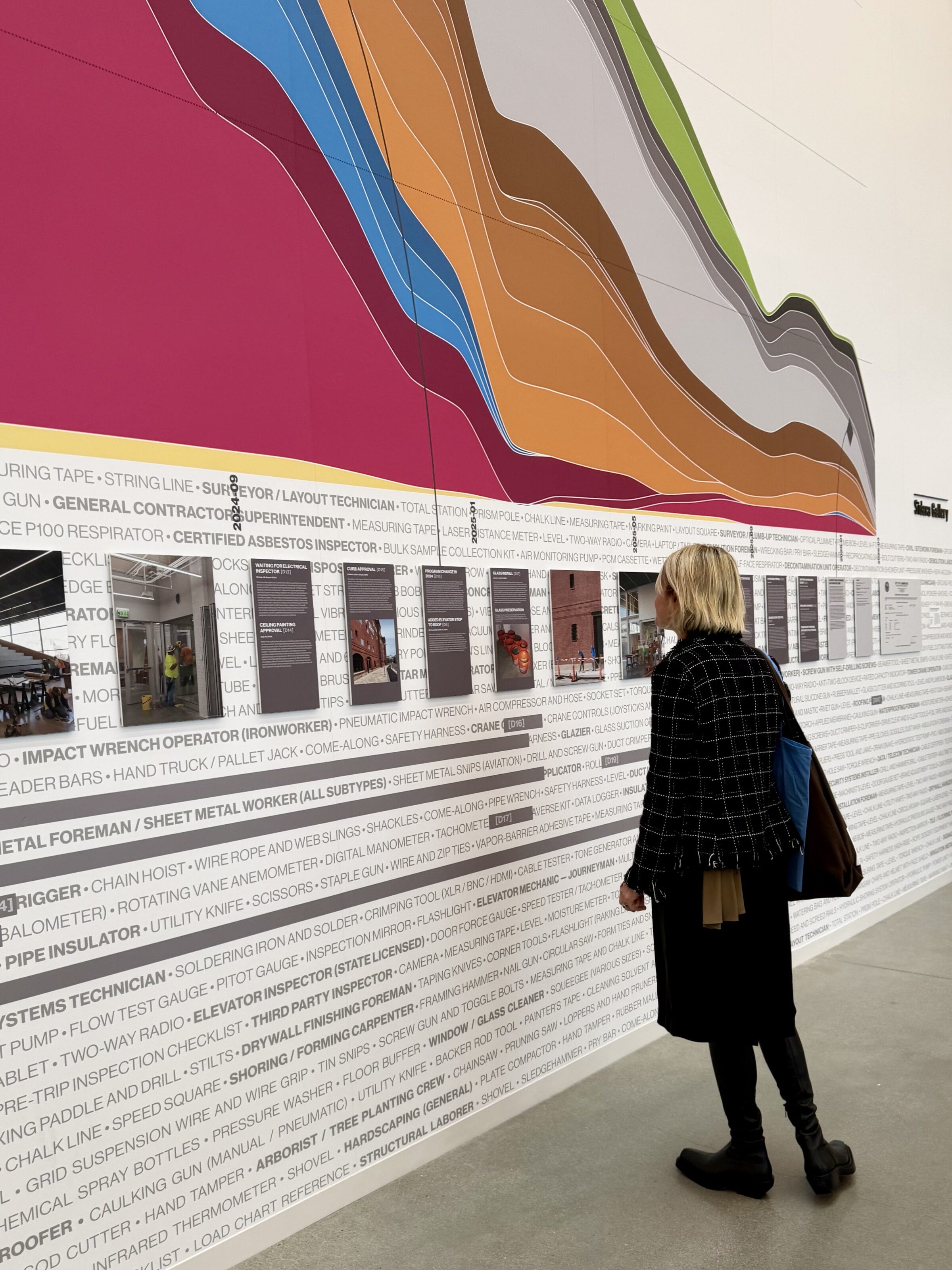
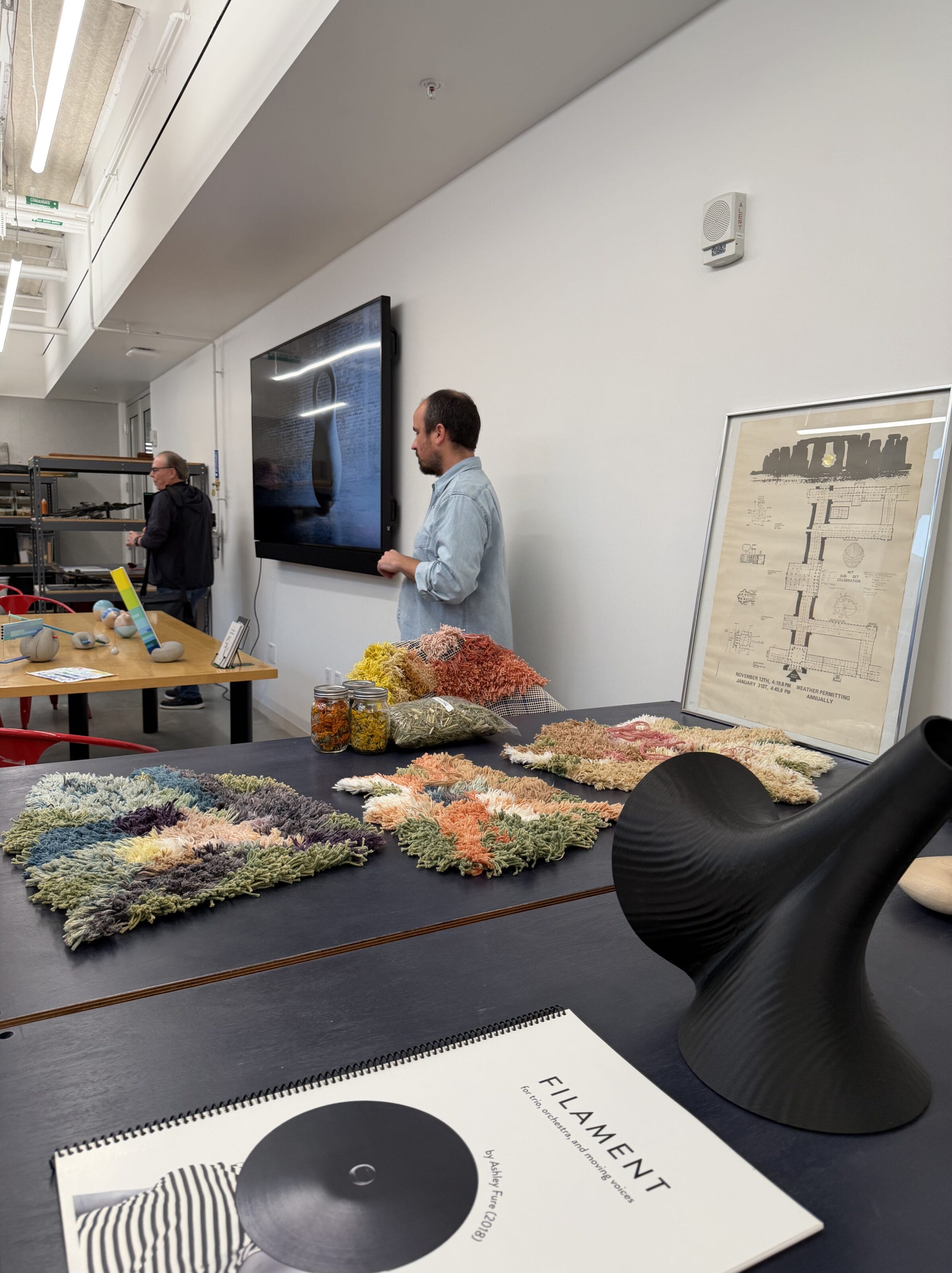
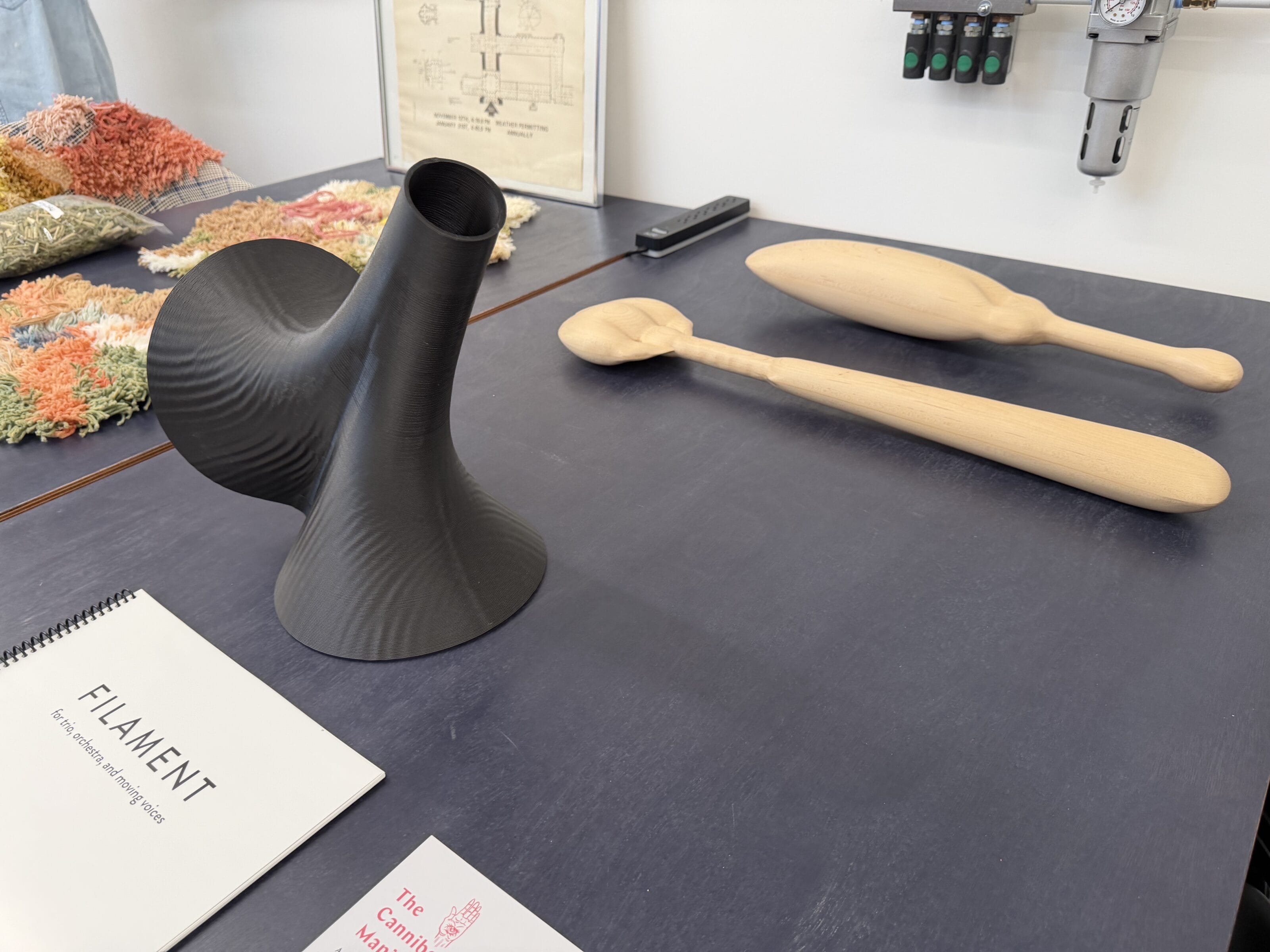
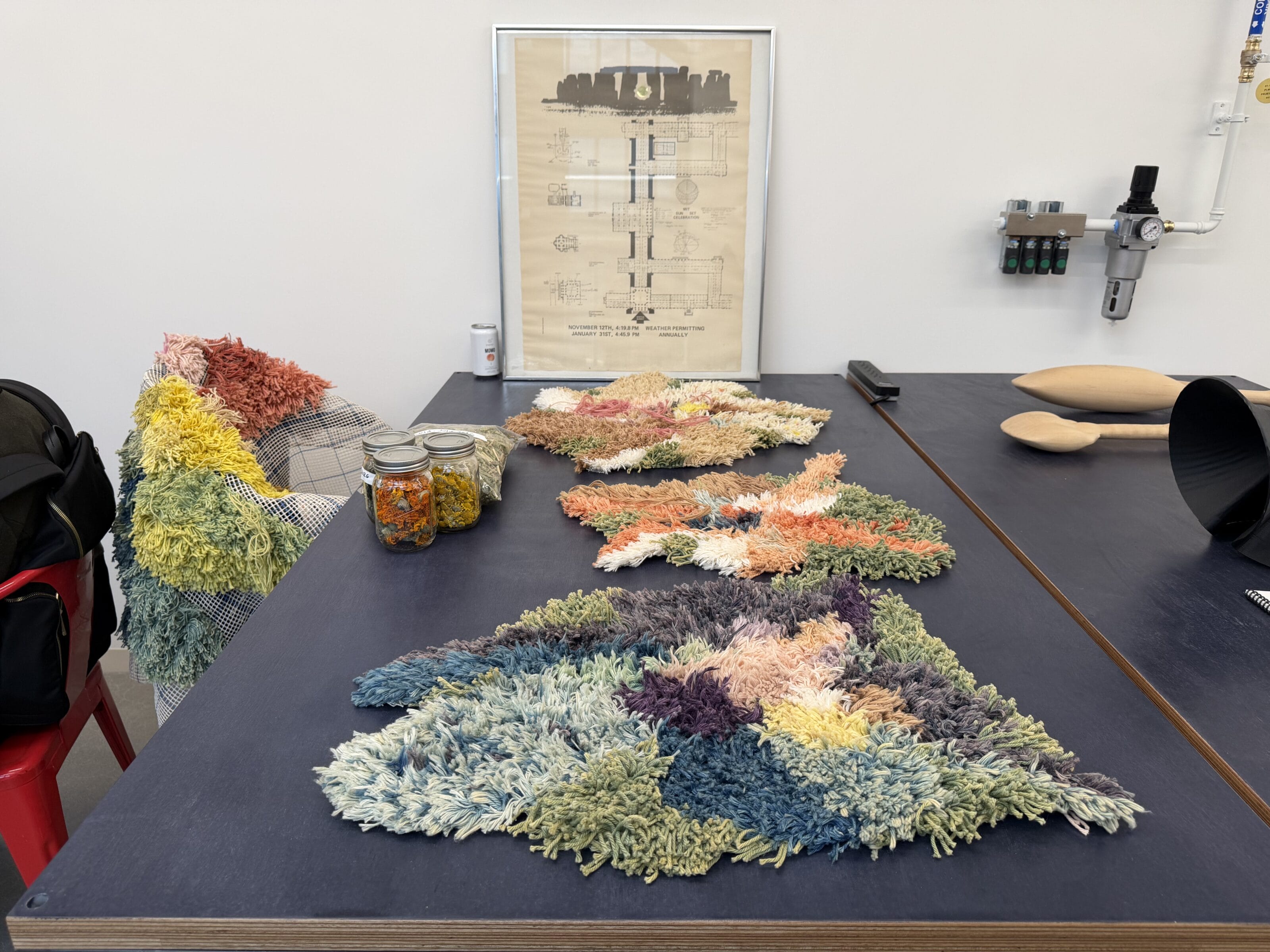
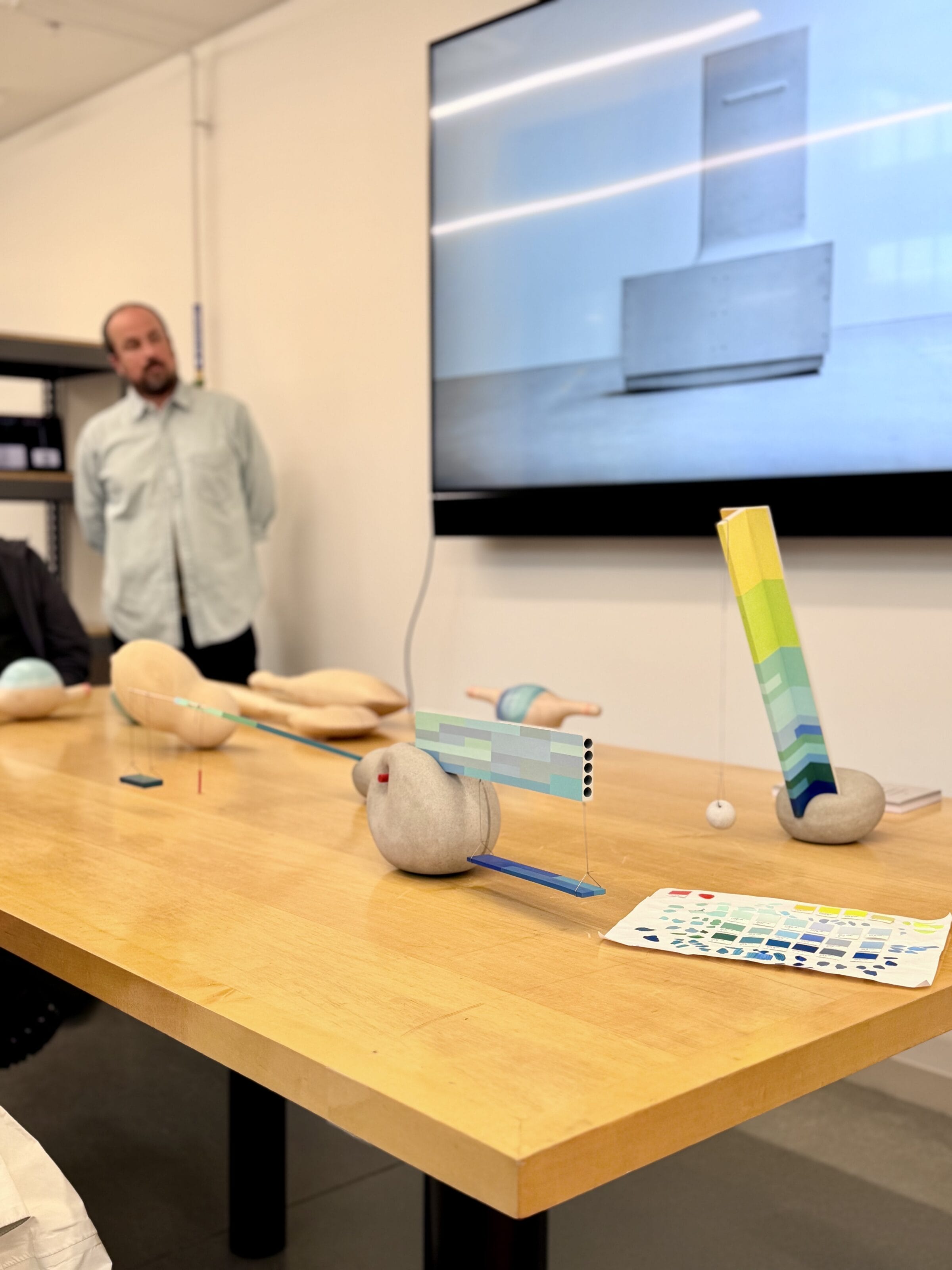
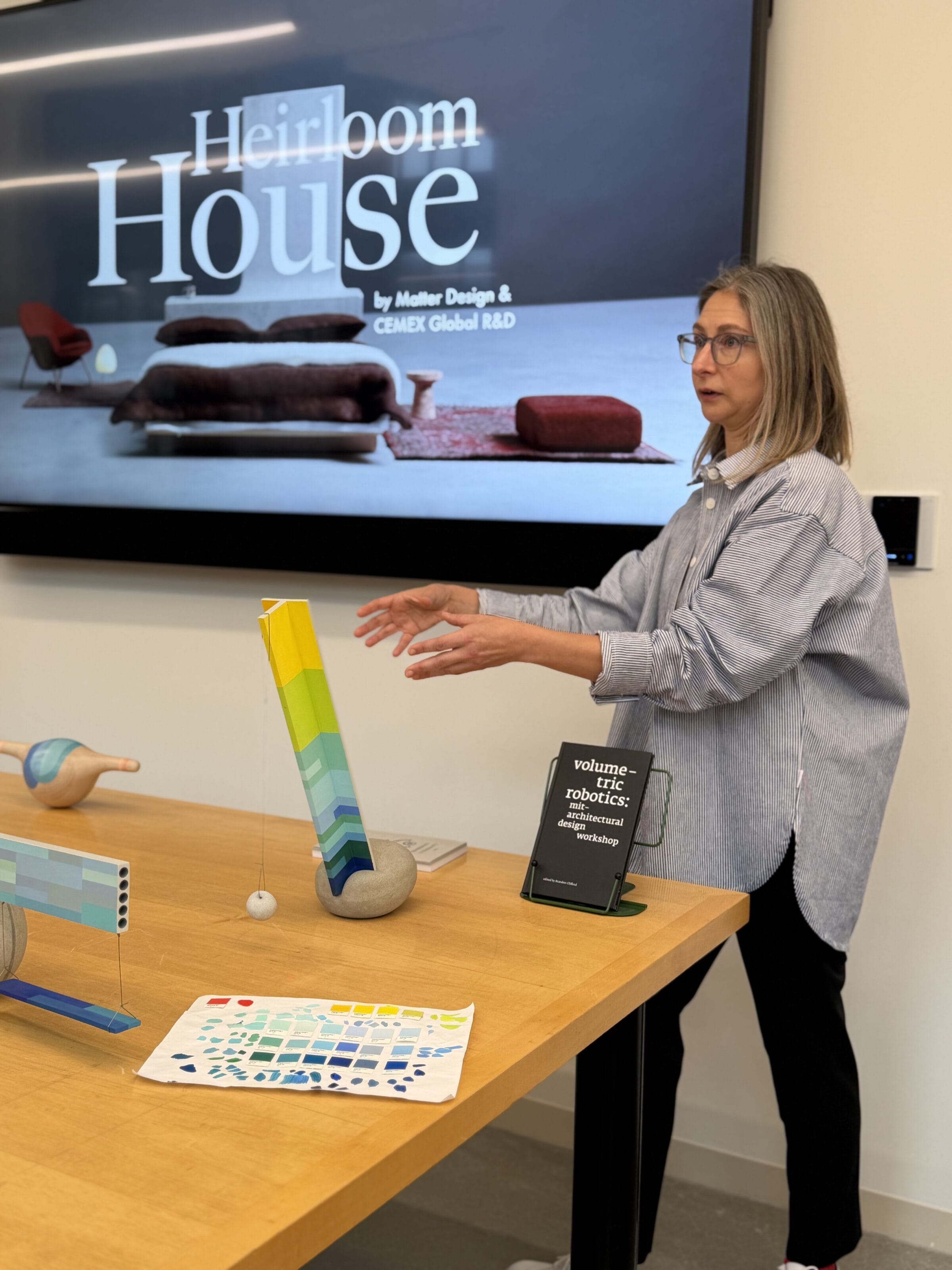
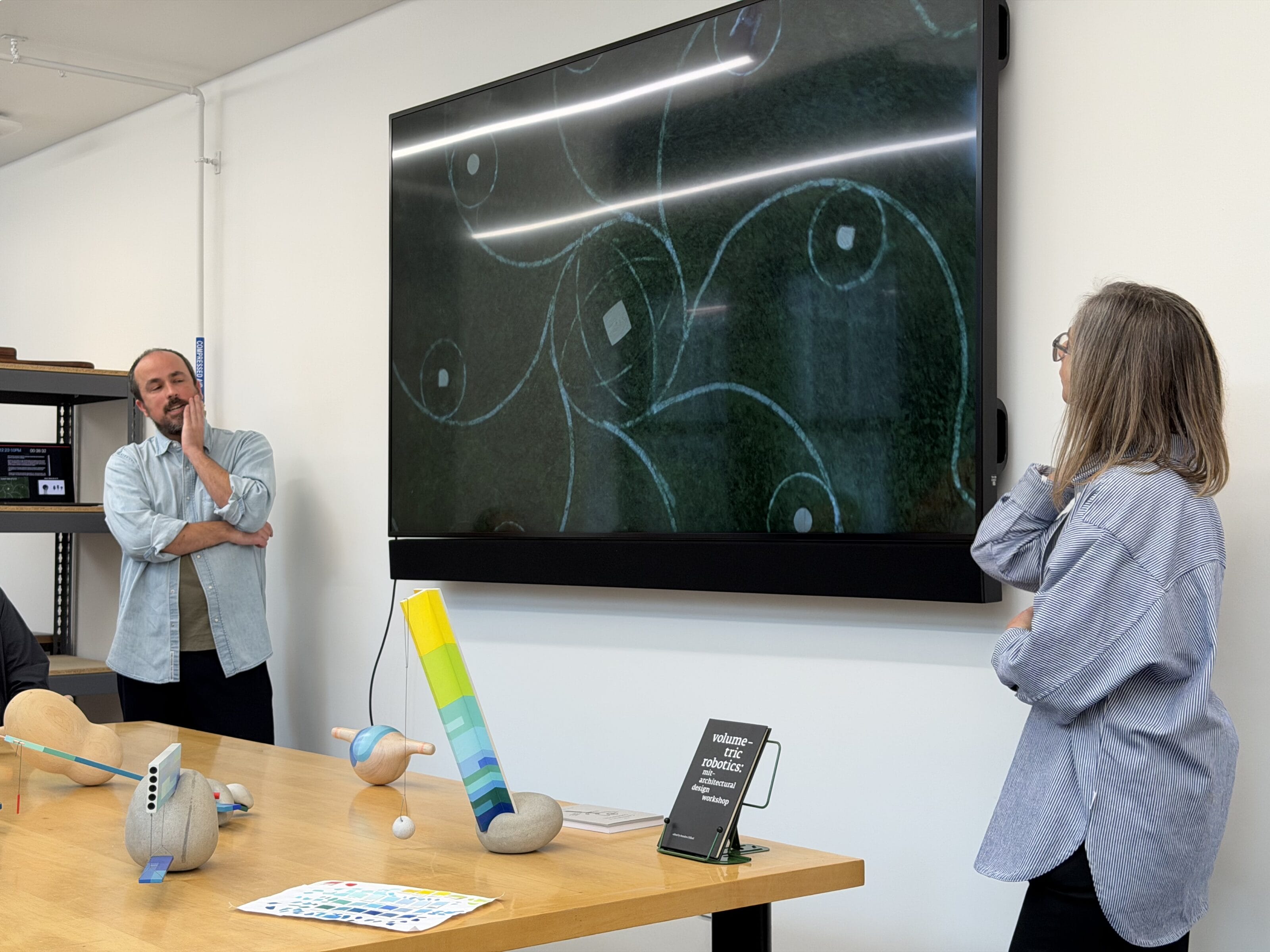
Our first impression of the studio was a display for the Temporal Commons Project, a multi-year MIT research initiative that “bridges millennia by integrating speculative futures with historical foundations.” Like all the projects we were introduced to at Matter Design by Director Brandon Clifford and Partner Jo Lobdell, this MIT collaboration invites visitors to engage with time as a design grammar.
It raised a question Brandon posed to start our visit: How long should (does, could) a building last? A building’s average lifespan, he noted, is closer to a human’s than to that of its materials. More than a thought experiment: Brandon recounted how a concrete parking structure on the MIT campus was designed to be dismantled and repurposed at a future date. But absent plans for that 2.0 moment, it was razed instead. Joy denied.
Weightless Concrete
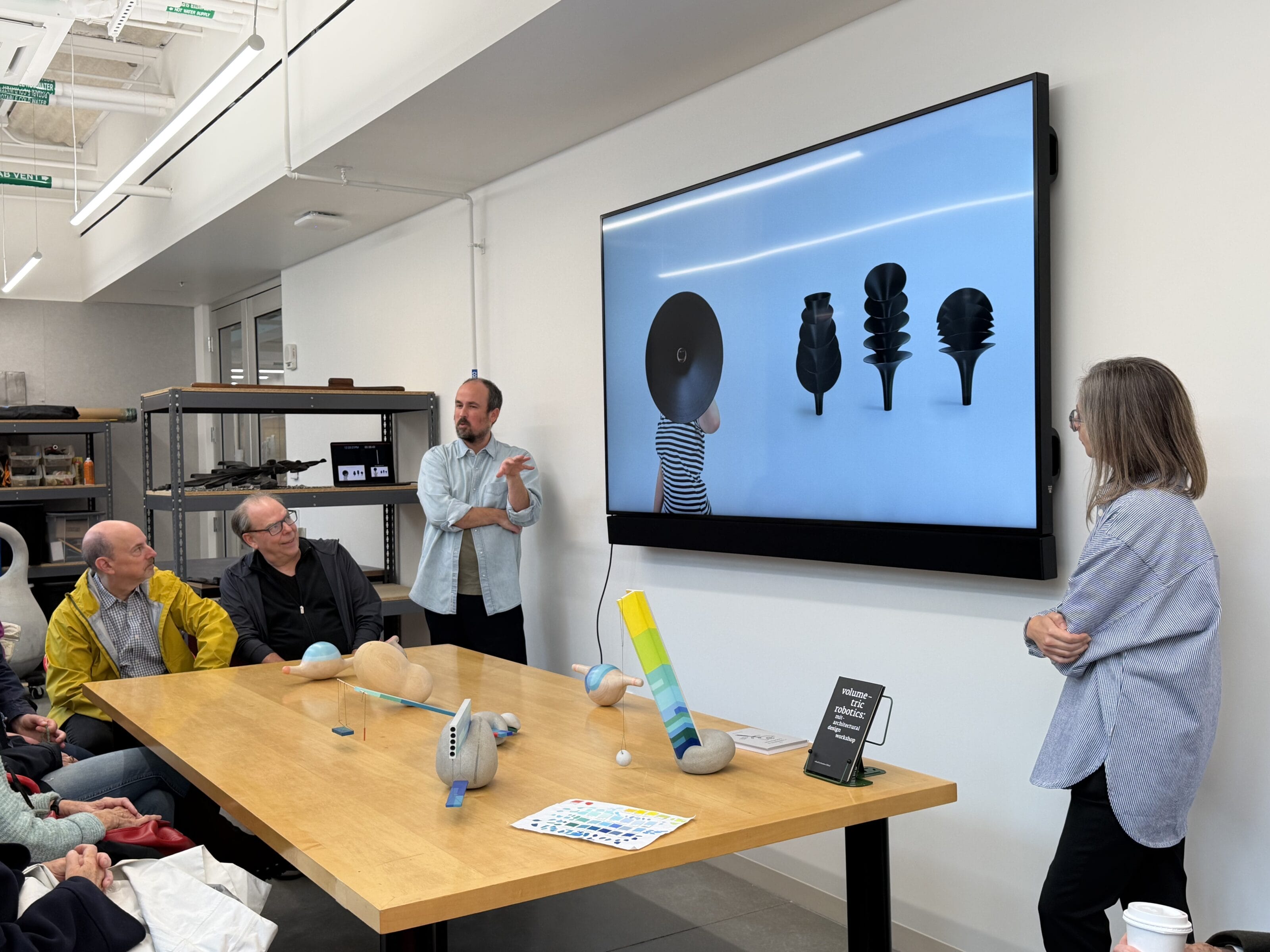
Looking forward by looking back (way back) is a Matter Design superpower. Several projects reflected collaborations with the Global R&D team at CEMEX, a cement and concrete multinational. Our threaded concrete discussion included the fact that the industry has only recently begun to unlock cement recipes used in early Roman structures and that, while magical, concrete is merely a “proxy” for the studio’s preferred palette: geologic stone. Which foreshadowed several mesmerizing videos from its concrete project portfolio that looped while we met.
Video is an ideal medium for concrete storytelling. It not only captures the form and scale of the massive concrete objects their work embraces, but also their proportion, balance, and design intent. Put in motion by performance artists, who arranged them like furniture at a quarry, the objects seemed, like all great choreography, to defy gravity. Rock on.
Apropos of their charter, and quite on point (en pointe?), Brandon explained that recent archeological discoveries on Easter Island confirmed that island’s moai were sculpted to be walked (i.e., danced) into place.
Ritual Object
A looking-forward project included the redesign of a staff carried by the Chair of the Faculty at MIT during faculty ceremonies. Handed down every two years to a new chair, the staff felt heavy, unbalanced, and gendered to its current holder. The emergent brief had three key criteria: make it comfortable to carry over a daylong event, imbue it with meaning befitting its origin story and role, and plan for its retirement after a half-century of service.
The black walnut shepherd’s staff created for the Chair is a Gandalf-worthy delight. Comfortable to hold, it is easy to wield. The brass disk at its base represents the moon and its crook the Earth, scaled to their relative size and distance. Aligned with the noon sun on the equinox, the crook can be used as a ranging device that marks the solstice. Finally, a hidden chamber secrets away 25 brass plates, to be engraved with the names of the next 25 Chairs. Even without the celestial backstory it casts a spell.
Paleo Folio
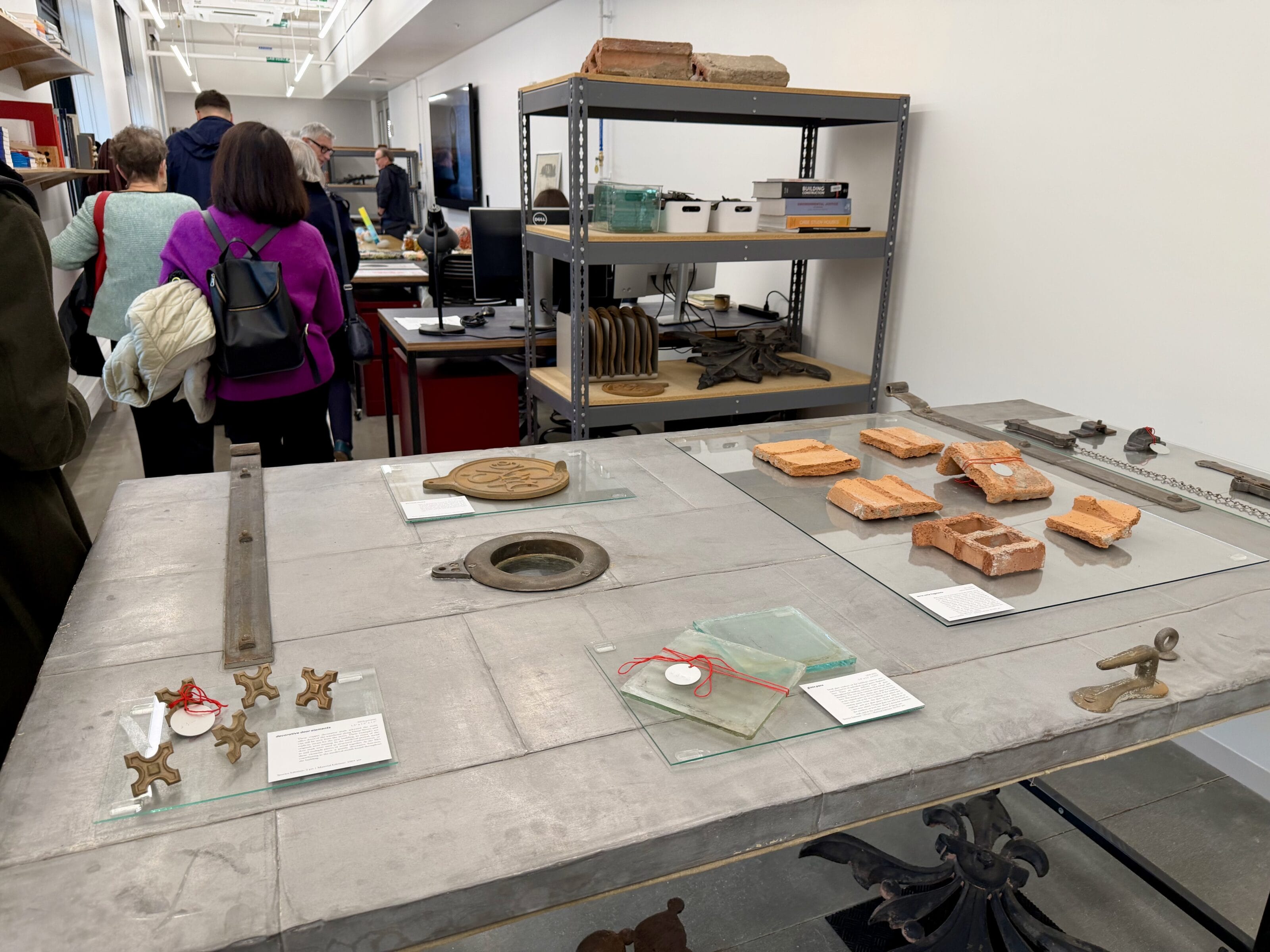
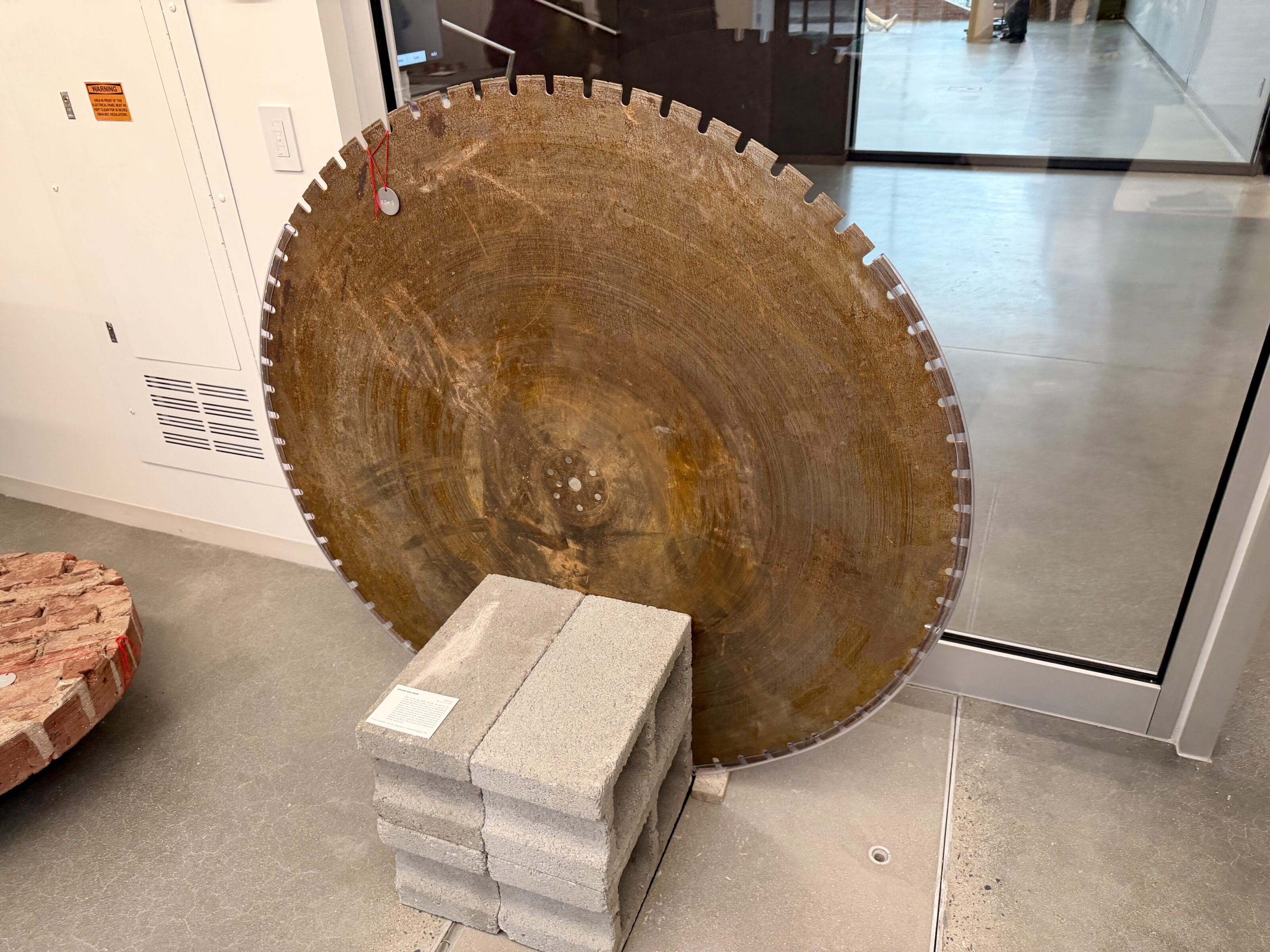
Besides video as a documentary medium, Matter Design also publishes books to seed its ideas the old-fashioned way. The Cannibal’s Cookbook, written by Brandon and designed by Jo, introduces Cyclopean masonry, an ancient building logic reimagined for the reuse of construction rubble. Like Christopher Alexander’s The Timeless Way of Building, Stewart Brand’s Whole Earth Catalog, or the Foxfire books, it invites you to get your hands dirty, literally or conceptually, in its stone vernacular. A challenge to the often wasteful practices surrounding concrete, it is a thought experiment drawn from the myths and legends of architectural cannibalism.
Well Met
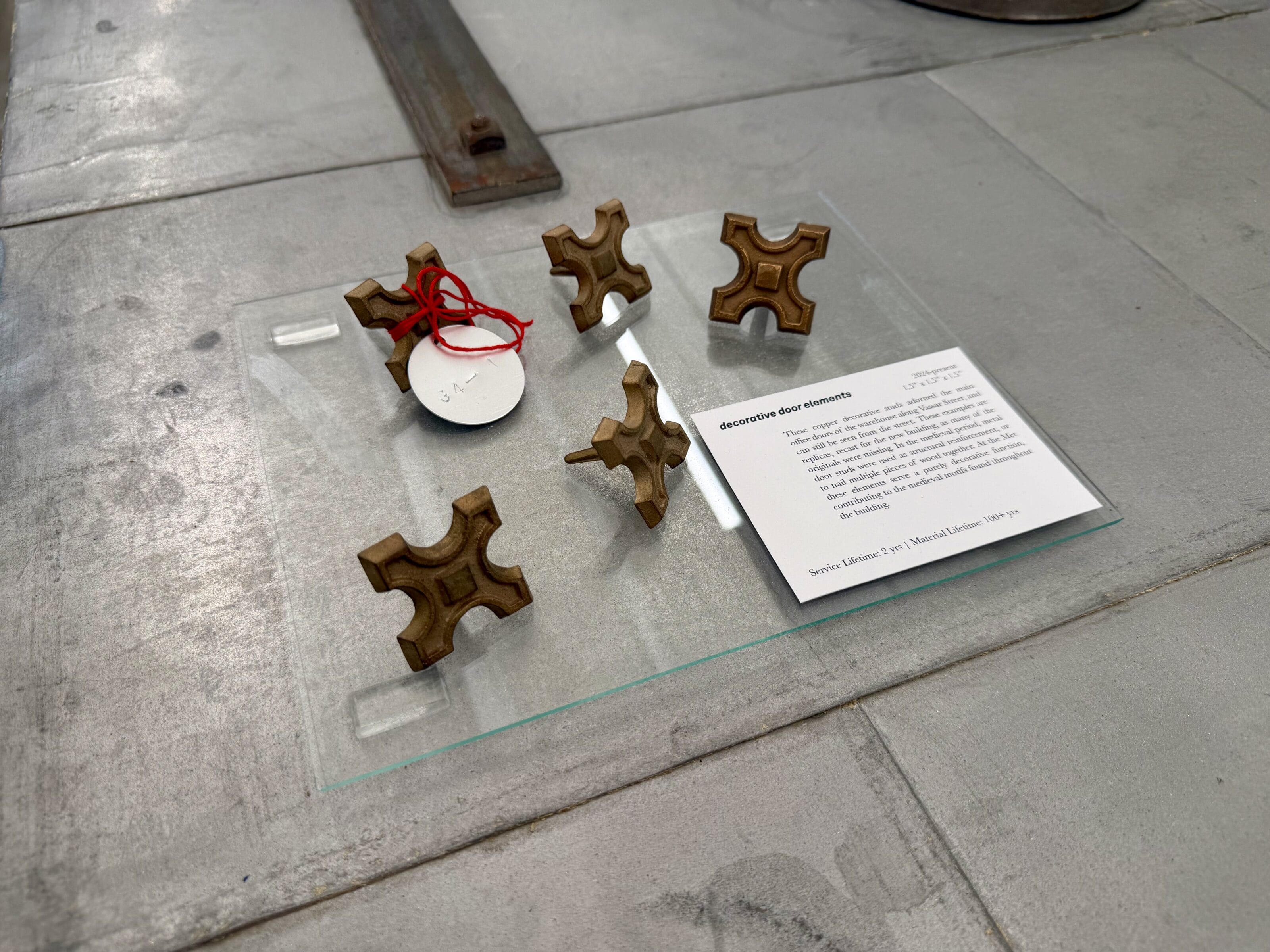
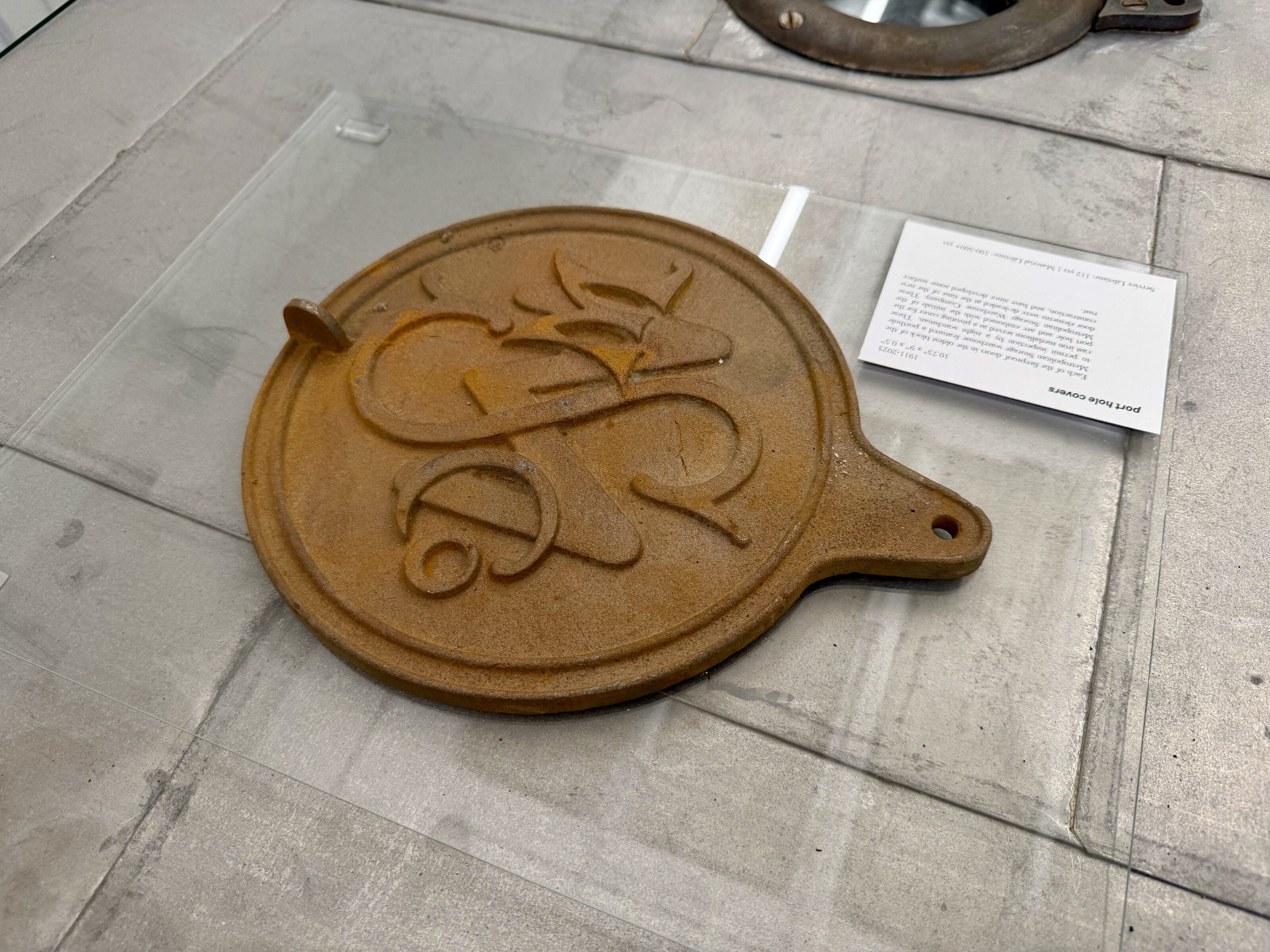
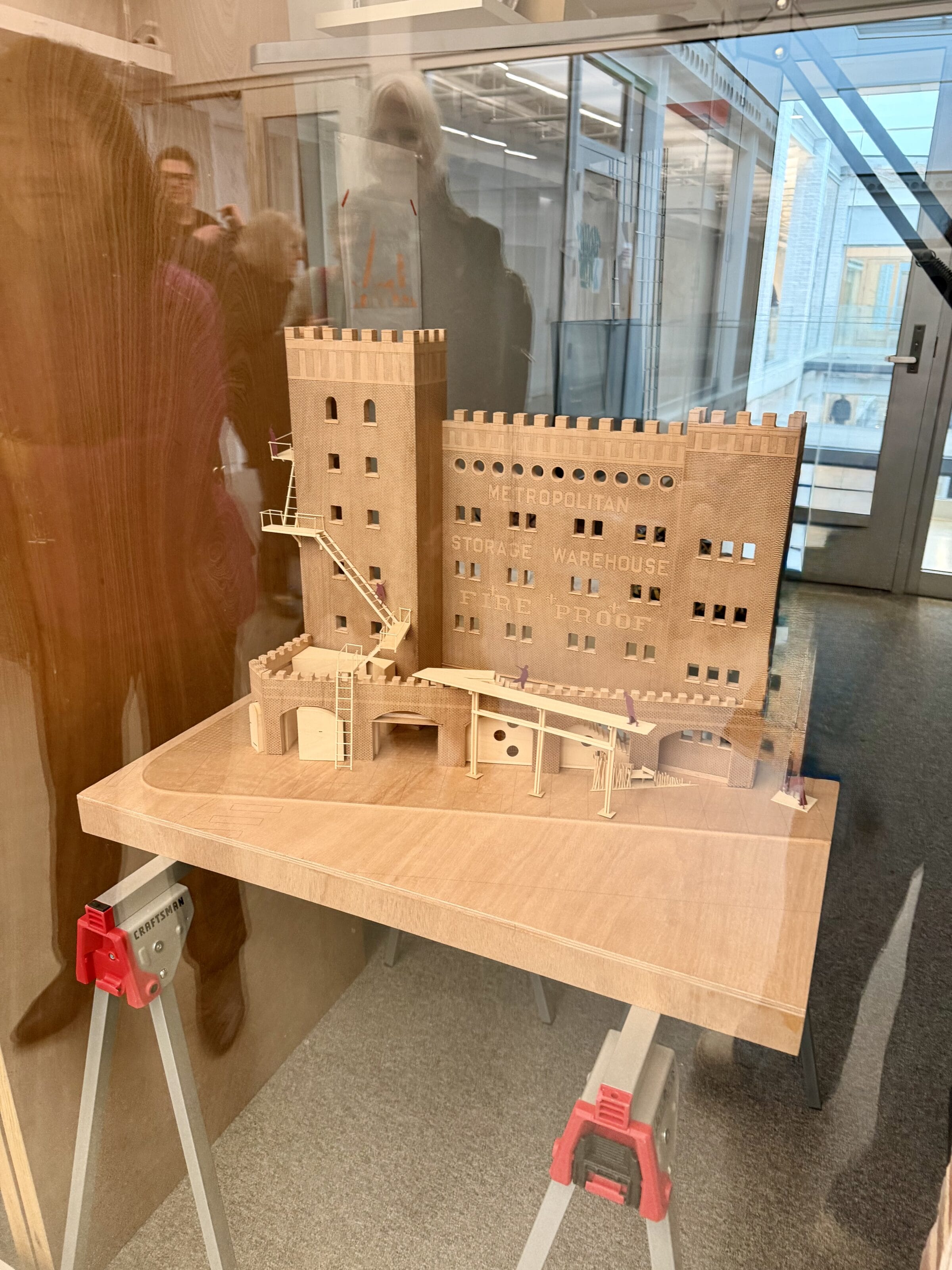
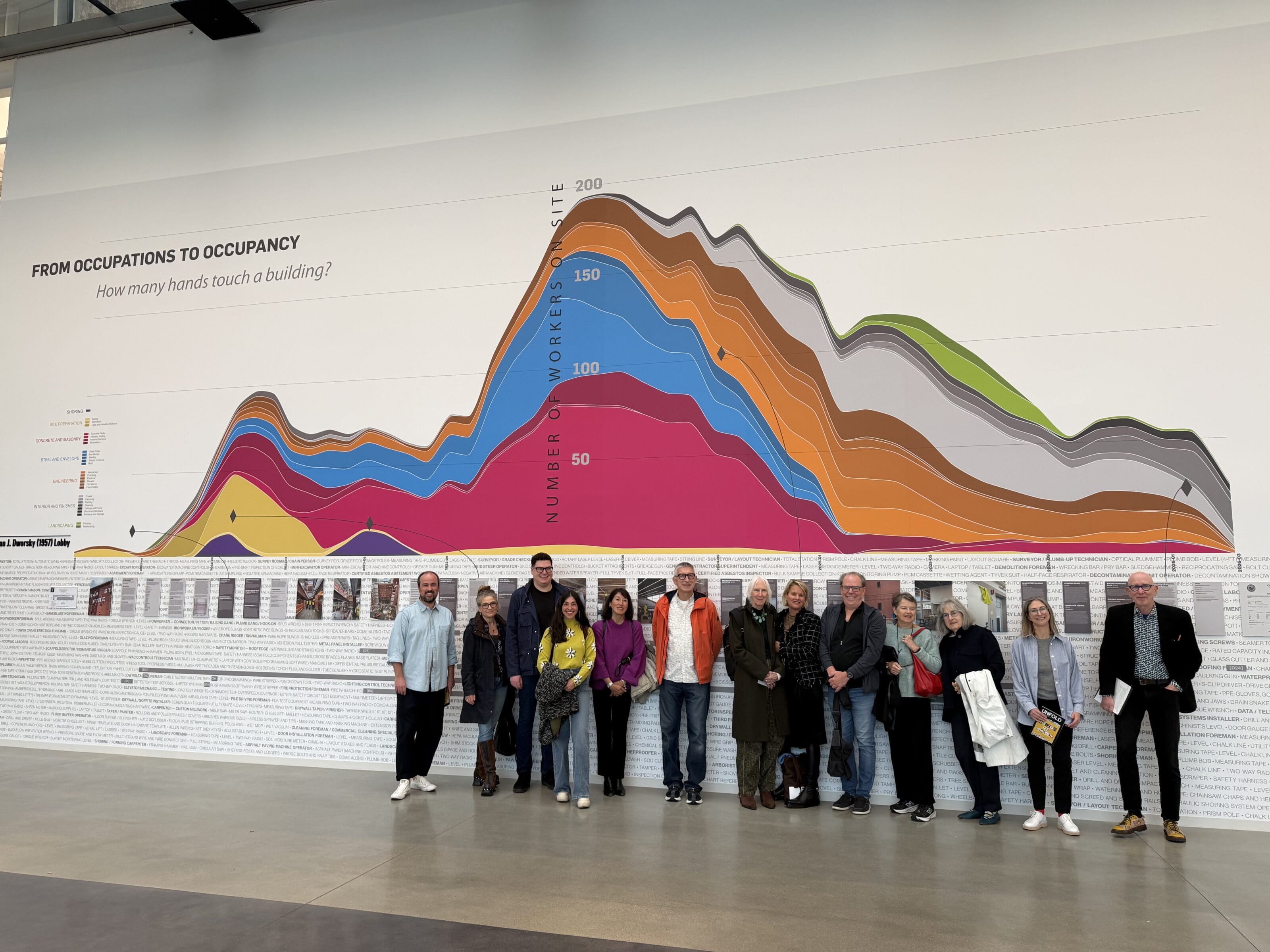
Matter Design is located in the newly reopened MIT Met Warehouse, an 1895 brick fortress on Vassar Street in Cambridge that is home to MIT’s design programs. Reimagined by Diller Scofidio + Renfro (you know them for the ICA/Boston and The High Line in NYC), it is a working showcase for the architecture of reinvention. What better place for Matter Design to offer its design fermata than this cathedral for what’s next? Watch this Space for an opportunity to visit.
This Field Trip is part of a series of design-inspired experiences curated for CoDesign Collaborative by Misstropolis, a contemporary art platform covering art, culture, and ideas. Thanks to Brandon, Jo, and Robin Hauck from Misstropolis for hosting an engaging design time out.
If you are interested in partnering on a Field Trip or a workshop in your space, send us a note at info@codesigncollaborative.org. We look forward to collaborating with you!
—
Michael Mooney
Principal, Meant
Council Member, CoDesign Collaborative